
What Is Class III Growth?
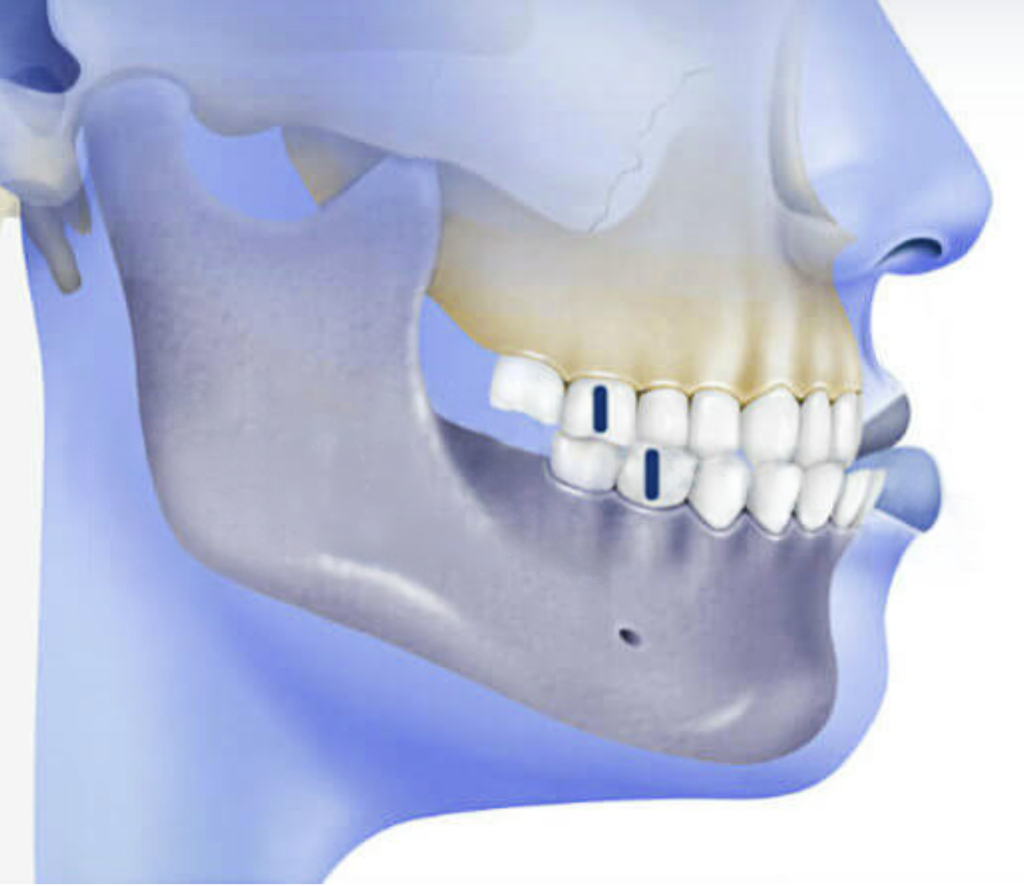
A Class III underbite in children is when the lower jaw sits a bit farther forward than the upper jaw. This affects how the teeth come together and can make the lower teeth appear in front of the upper teeth when biting.
In many children, this is something that develops gradually as they grow. Parents often notice it during the mixed dentition years when the adult teeth start coming in.
If you are seeing this type of bite, it may be an early sign of a Class III growth pattern.
Not All Class III Underbites In Children Are The Same
There are a couple of different ways this can present:
- Skeletal Class III: the jaw relationship itself is not balanced
- Dental Class III: the teeth are positioned in a way that creates the appearance of an underbite
When we look at a Class III underbite in children, we always take into account how growth may influence the bite over time, not just what we see today.
Why We Look At Class III Underbite In Children Early
Childhood is a unique window for orthodontic care.
At this stage, the face and jaws are still growing, which gives us the ability to guide development rather than only reacting later on.
The best time to assess a Class III underbite in children is usually between 7 and 10 years old. This allows us to see how the bite is developing and whether early guidance could be helpful.
If you would like to learn more about timing and early care, you can visit our page on early orthodontic treatment at TGO Orthodontics.
How We Treat Class III Underbite In Children
At TGO Ortho, treatment is designed to work with natural growth and development.
Depending on the case, we may recommend:
- Facemask therapy, which encourages forward growth of the upper jaw
- Maxillary expansion, which helps create space and improves how the upper and lower jaws fit together
The goal is always to support healthy development and create better balance as the child grows.
Why Early Evaluation Makes A Difference
A Class III underbite in children can become more noticeable as growth continues, which is why early assessment is so valuable.
When we see children early, we can monitor growth, guide development when appropriate, and plan treatment at the right time.
In many cases, early orthodontic care can improve bite balance, support facial harmony, and make future treatment simpler.
A Simple Next Step
If you are unsure about your child’s bite or jaw development, an early orthodontic check-up can provide clarity and peace of mind. Book a consultation with our team at TGO Orthodontics for a personalized assessment!
Question or comment